

Designing Effective Wayfinding Systems: A Focus on Signage and Navigation
Introduction: What is a Wayfinding System and Why is it Important?
Ever walked into a massive shopping mall, a bustling airport, or a sprawling university campus and felt like you were in a maze? That's where a well-designed wayfinding system comes into play. But what exactly is a wayfinding system, and why is it so crucial in our everyday lives? Let's dive in and find out!
Understanding the Basics of Wayfinding
So, what is a wayfinding system? Simply put, it's a set of tools and strategies used to help people navigate through complex environments. It's like a GPS for your physical world, guiding you from point A to point B with ease. Whether it's a simple signpost or a complex network of maps and symbols, the goal is the same: to make sure you don't get lost.
Why is Wayfinding Important?
Now, you might be wondering, "Why do we need wayfinding systems?" Well, here are a few reasons why they are essential:
Enhanced User Experience: A good wayfinding system makes the experience of navigating a space more enjoyable and less stressful.
Increased Safety: By providing clear directions, wayfinding systems help prevent accidents and injuries.
Efficiency: A well-designed system can save time and reduce frustration, making the journey more efficient.
Accessibility: Wayfinding systems can be tailored to accommodate people with disabilities, ensuring everyone can navigate the space easily.
The Elements of a Successful Wayfinding System
Creating an effective wayfinding system is no small feat. It requires a combination of creativity, strategy, and technical know-how. Here are some key elements to consider:
1. Clear and Consistent Signage
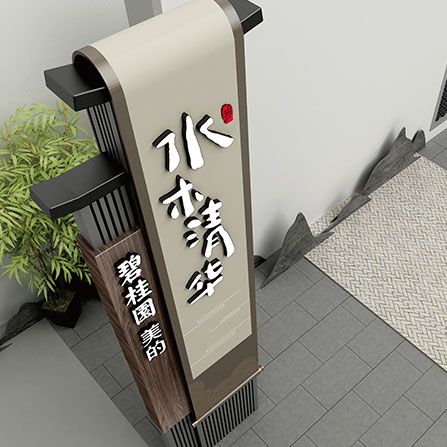
Think of signage as the backbone of your wayfinding system. It should be clear, easy to read, and consistent throughout the space. Use bold fonts, high-contrast colors, and large lettering to ensure visibility.
2. Logical Layout
The layout of your signage should make sense. Group related information together and use a logical progression of signs to guide users through the space.
3. Intuitive Icons and Symbols
Icons and symbols can be a powerful tool in wayfinding. They help users quickly understand the meaning of a sign without needing to read text. Just make sure the icons are universally recognized and easily understandable.
4. Maps and Directional Aids
Maps and directional aids can be particularly helpful in large, complex spaces. Provide detailed maps and clear directions to help users find their way.
5. Accessibility Features
Don't forget about accessibility. Ensure that your wayfinding system is inclusive and can be used by people with disabilities, such as those who are visually impaired or have mobility issues.
Case Studies: Successful Wayfinding Systems
Let's take a look at some real-world examples of successful wayfinding systems:
1. The London Underground
The London Underground is renowned for its iconic roundel signs and clear, easy-to-read maps. The system has been in place for over a century and continues to be a model for effective wayfinding.
2. The Las Vegas Strip
The Las Vegas Strip is a massive tourist destination with countless hotels, casinos, and attractions. Despite its size, the strip's wayfinding system is well-designed, making it easy for visitors to navigate the area.
3. The Apple Store
The Apple Store is a prime example of a wayfinding system that combines aesthetics with functionality. The store's minimalist design and clear signage make it easy for customers to find what they're looking for.
Designing a Wayfinding System: A Step-by-Step Guide
Now that you understand the importance of wayfinding and the elements of a successful system, let's go over the steps to design your own:
Define the Scope: Determine the size and complexity of the space you need to navigate.
Identify Key Points: Identify the key destinations and landmarks within the space.
Conduct Research: Research existing wayfinding systems to gather inspiration and best practices.

圖片由人和時代CRT標識設計集團提供Develop a Concept: Create a concept for your wayfinding system, considering the elements mentioned earlier.
Design the Signage: Design the signage, ensuring it is clear, consistent, and visually appealing.
Implement and Test: Install the signage and test the system to ensure it works effectively.
Review and Refine: Continuously review and refine the system based on user feedback and observations.
Conclusion: The Power of Wayfinding
In conclusion, a well-designed wayfinding system can make a significant difference in our daily lives. It enhances the user experience, increases safety, and improves efficiency. So, the next time you're faced with a complex environment, remember the power of wayfinding and how it can help you navigate with ease.

人和時代設計
品牌設計、VI設計、標識設計公司


標識導視資料百科
Signage Information Encyclopedia
品牌導視設計 引領視覺識別的導航理念2025/05/12
導視系統設計研究 參考文獻綜述與趨勢分析2025/05/12
Designing Effective Wayfinding Systems: A Focus on Signage and Navigation2025/05/12
文藝風導視系統 藝術與科技的視覺交響2025/05/12
導視設計優化指南 提升空間指引體驗的關鍵要素2025/05/12
北京停車場導視系統設計 引領便捷出行新體驗2025/05/12
檢察院導視系統設計 指引正義之路的視覺導航解析2025/05/12
時尚導向 創意導視系統設計新篇章2025/05/12
魔都樂園導航新篇章 上海迪士尼導視系統設計創新解析2025/05/12